The Branch Life Model
A community-based approach to ethical commerce that creates value at every level—from artisan workshops to local markets.
How Branch Life Works
Our model connects three essential elements: skilled artisans, trained community stewards, and accessible local markets.
Artisan Partnerships
Fair-wage relationships with skilled craftspeople in underserved regions, ensuring dignified work and transparent pricing.
Community Stewards
Trained local facilitators who connect artisan products with their communities through pop-ups, events, and relational networks.
Market Access
Decentralized distribution through local markets, shared retail spaces, and community gatherings—removing traditional barriers.
Ethical Artisan Partnerships
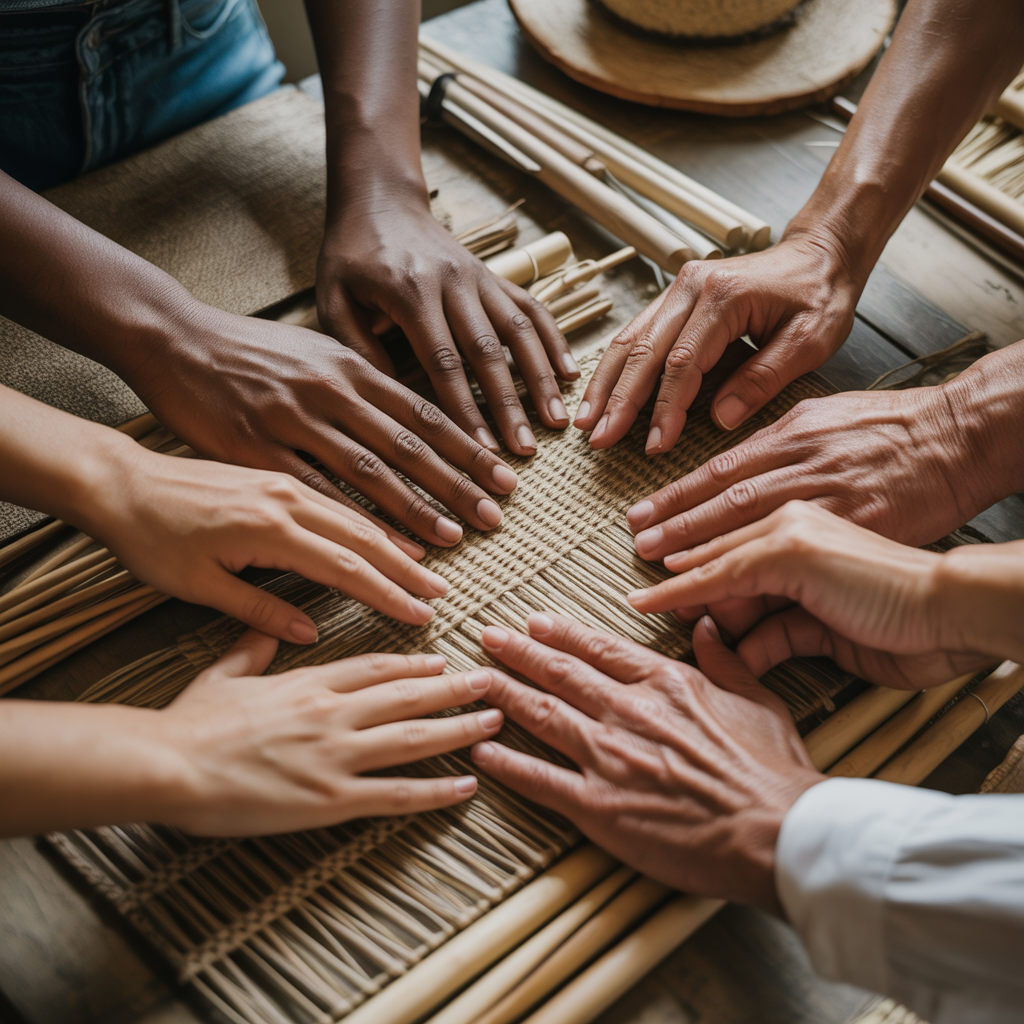
We partner directly with skilled artisans—weavers, potters, woodworkers, textile artists—who produce high-quality handmade goods but lack consistent market access.
Fair compensation: Prices reflect skill, time, and materials—not exploitative market pressures.
Transparent agreements: Artisans understand the full value chain and their share of revenue.
Respect for craft: No pressure to compromise quality, cultural integrity, or working conditions.
Long-term relationships: Ongoing partnerships that build trust and economic security over time.

Community Steward Network
Community stewards are trained facilitators who bring ethical artisan products into their local networks—turning everyday spaces into opportunities for fair-trade commerce.
Training provided: Product knowledge, storytelling, ethical sales practices, and basic business operations.
Low-barrier entry: No large upfront costs or inventory requirements—designed for accessibility.
Ongoing support: Mentorship, community of practice, and continuous learning opportunities.
Economic participation: Stewards earn through facilitation—creating income opportunities within their own communities.
Decentralized Market Access
Rather than relying on distant e-commerce platforms or large retail partnerships, Branch Life builds market access through community-level distribution.

Pop-up markets: Temporary retail spaces at community events, farmers markets, and gathering places.
Shared retail spaces: Partnerships with local shops, cafes, and community centers.
Direct sales: Person-to-person transactions rooted in trust and storytelling.
Relational networks: Leveraging existing community connections rather than expensive marketing.
How Value Flows
Transparent distribution of revenue ensures dignity and fairness at every level
When an artisan product is sold, the majority of revenue returns to the artisan who created it. A smaller portion supports steward facilitation and operational costs. This distribution is transparent from day one.
Unlike traditional retail, where artisans receive as little as 10-20% of final sale price, Branch Life ensures artisans earn 60-70% or more, depending on product type and distribution channel.
As the network grows and operational efficiencies improve, earned revenue increasingly covers core costs—moving the model toward long-term stewardship while maintaining fair compensation for all participants.
Consistent with Colossians 3:23–24